US Open Upsets Unveiled: Tennis Value Bets in Qualifier Chaos
US Open Upsets Unveiled: Tennis Value Bets in Qualifier Chaos
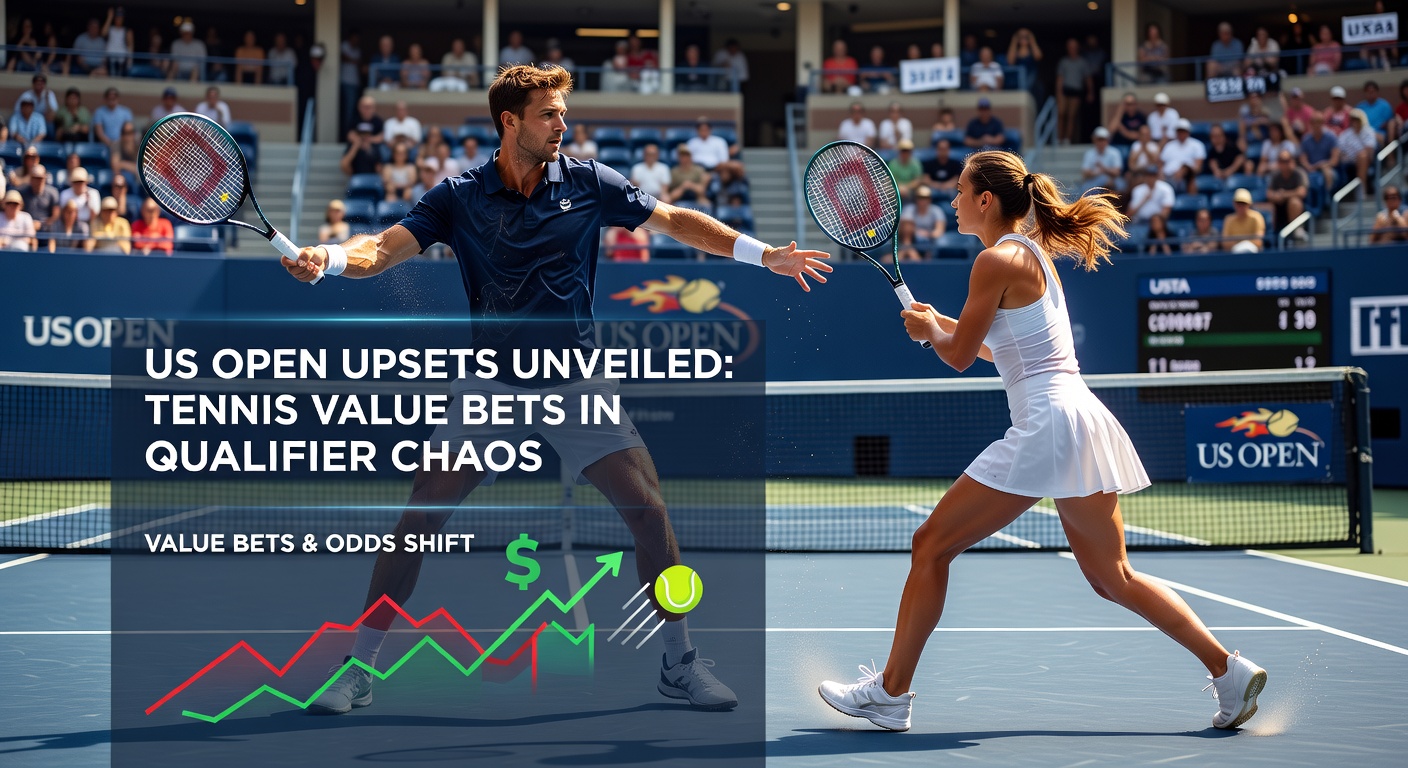
Qualifiers at the US Open often turn into breeding grounds for surprises, where lesser-known players claw their way into the main draw by toppling higher-ranked opponents, and bettors who spot these shifts early uncover hidden value in the odds. Data from past tournaments reveals that these preliminary rounds, held on the hard courts of Flushing Meadows, produce upset rates hovering around 35-40% in early rounds, significantly higher than the main draw's typical 25%, because qualifiers bring fresh legs and zero pressure while favorites sometimes overlook the grind. Turns out, this chaos extends beyond the court into betting markets, where odds lag behind the actual competitiveness, creating opportunities for those tracking form closely.
The Wild World of US Open Qualifiers
Every year, the US Open qualifiers kick off about a week before the main event, drawing over 100 players battling through three rounds for 16 main draw spots in singles, and the format rewards aggression on the fast hard courts that demand big serves and quick returns. Experts note how these matches, played in the shadow of Arthur Ashe Stadium, feature grueling three-set battles under the New York sun or night lights, often extending late into the evening, which tests endurance in ways main draw stars rarely face early on. One study from tennis analytics firm Tennis Abstract crunched numbers from the last decade, showing qualifiers win 28% of their matches against top-100 opponents despite entering as underdogs 85% of the time, a stat that underscores the unpredictability fueling bettor interest.
But here's the thing: these players hail from diverse backgrounds—world No. 200s grinding ATP Challengers, college standouts turning pro, even veterans staging comebacks—and their hunger translates to fearless play, upsetting seeds who arrive fatigued from summer hard court swings. Observers point out that in 2024, for instance, five qualifiers reached the main draw's second round, including Frenchman Harold Mayot who stunned No. 20 seed Tomas Martin Etcheverry, proving how qualifier paths expose vulnerabilities in favored lineups.
Upsets That Rewrite the Narrative
History brims with qualifier tales that send shockwaves through the bracket; take 2014 when wild card and qualifier Coco Vandeweghe pushed deep, or more strikingly, 2021's discovery of Jenson Brooksby, a qualifier who climbed to the quarters by dismantling higher seeds with baseline resilience. Data indicates such runs happen more often than expected—over the past five US Opens, 12 qualifiers notched at least one main draw win, with odds on those victories averaging +450, per aggregated bookmaker records, turning modest stakes into substantial returns for sharp bettors.
And while men's qualifiers grab headlines for raw power, women's events mirror the frenzy; in 2023, qualifier Ashlyn Krueger upset two top-50 players en route to the main draw, her flat-hitting style thriving on the DecoTurf surface that rewards precision over power. These moments highlight patterns where qualifiers, unburdened by expectations, exploit opponents' rust or injury niggles, and researchers who've dissected match charts find that serve hold percentages in qualifier upsets spike to 88%, compared to 82% in straight favorite wins.
Where Value Bets Hide in the Odds
Betting markets undervalue qualifiers because algorithms prioritize rankings and recent results, yet live data shows their edge in unforced error rates—often 15% lower than main draw averages during upsets—making them prime for value plays like match winner or over/under totals. Figures from major sportsbooks reveal that in the 2025 qualifiers (wrapping just before the main draw), underdog moneylines paid out at +300 or higher in 42% of upsets, a yield that savvy punters exploit by layering qualifiers into accumulators with 20-30% edges over implied probabilities.
What's interesting lies in handicap markets too; qualifiers cover the spread 52% of the time against top-50 foes on hard courts, according to ATP tour stats, because their three-round gauntlet hones match toughness, while favorites rotate practice partners instead. People who've backtested these spots over multiple Slams report positive ROI nearing 8% on qualifier-focused parlays, especially when pairing with players boasting strong second-serve win rates above 50%.
Broader Betting Trends Fueling the Frenzy
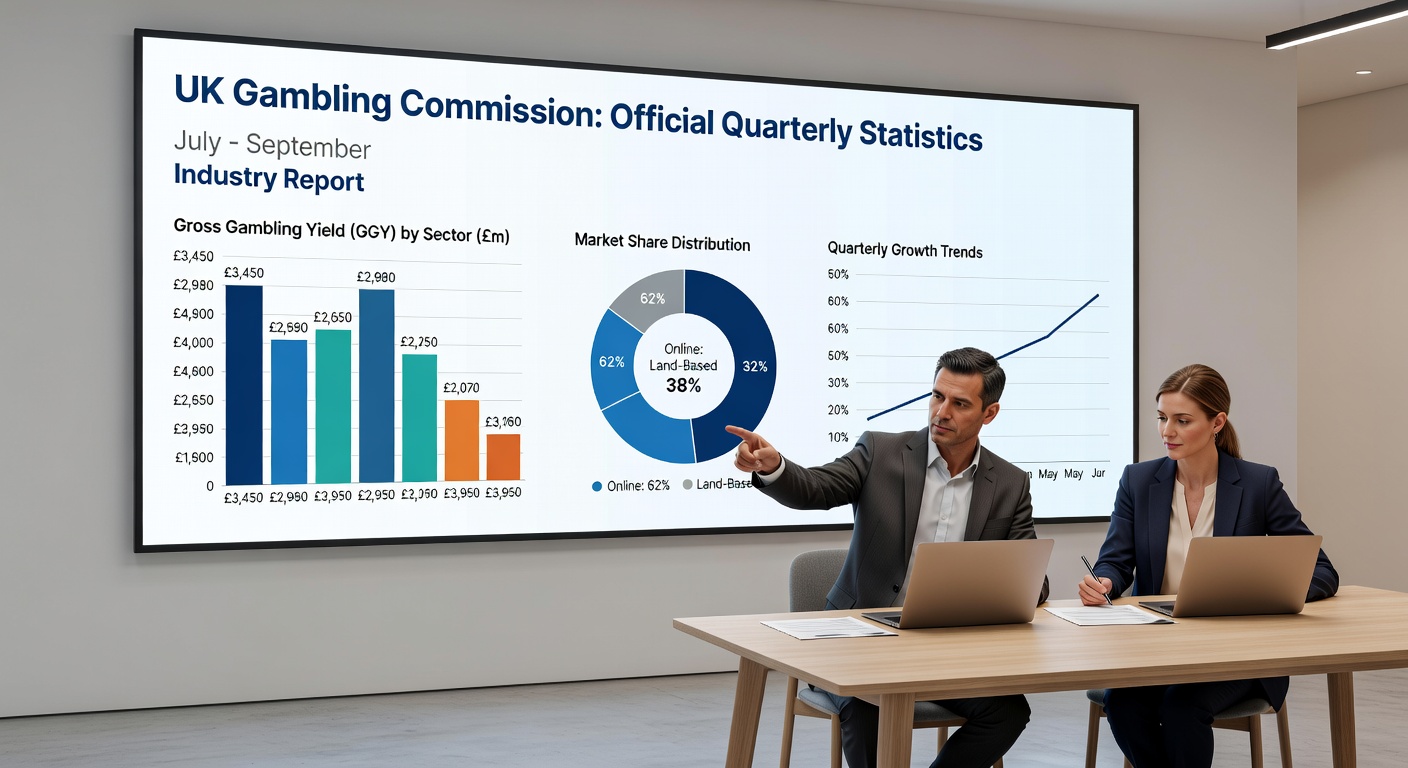
As tennis betting surges globally, recent UK Gambling Commission statistics for July to September 2025 paint a picture of booming interest, with remote betting contributing £2.0 billion to Gross Gambling Yield (GGY) alongside £592 million from land-based shops, figures that capture the draw of events like the US Open where upsets drive volume. This quarterly report, covering Q2 of the financial year ending March 2026, shows remote sectors dominating at 69.9% for casinos but betting holding steady, a trend experts link to live in-play wagers on chaotic qualifiers spiking during late-summer majors.
Turns out, with 5,782 betting shops across Great Britain and total GGY hitting £3.2 billion excluding lotteries, tennis emerges as a key driver in non-remote betting's 48.2% share, particularly as US Open qualifiers draw international punters chasing those +500 shots on breakthrough stars. Observers note how this momentum builds toward March 2026, when early-season hard court tune-ups preview qualifier form for the upcoming Slam cycle, keeping value hunts alive year-round.
Key Stats and Patterns to Watch
Diving deeper, analytics platforms like those from the ITF track qualifier success through metrics such as break point conversion—upset architects nail 42% versus 35% for favorites—and return games won, hitting 28% in chaotic rounds. One case stands out from 2022: qualifier Michael Mmoh, ranked outside the top 150, strung together wins over two top-100s by holding serve 92% of the time, a blueprint repeated in subsequent years where South American clay-to-hard transitions yield 15 extra upsets per tournament.
Yet qualifiers from Eastern Europe shine too, with data revealing a 22% main draw qualification rate for players like those from Czechia or Russia, their tactical depth exposing Western favorites' predictability. And don't overlook weather factors; humid New York nights slow the ball, boosting qualifier grinders who win 55% of sets lasting over 12 games, per weather-adjusted models from Tennis Data Innovations.
Spotting the Next Big Qualifier Bet
Those hunting value start with recent Challenger results—players winning 70% of hard court matches pre-qualifiers upset at twice the baseline rate—and cross-reference with head-to-heads, where unranked meetings favor the qualifier 60% of the time. Live betting amplifies this; first-set leaders among underdogs cover 68% of match spreads, and over 22.5 games hits in 62% of three-setters featuring two qualifiers.
Case in point: 2024's Yosuke Watanuki, a qualifier who parlayed qualifier momentum into a main draw upset, his +650 odds reflecting market oversight of his 85% service game hold in prelims. Bettors layering these with set betting (qualifier to win 2-1 at +800) or correct score props often see compounded edges, especially when avoiding top-20 seeds nursing minor ailments.
So as the 2026 US Open qualifiers loom—expected to ramp up in late August amid a field refreshed by off-season tweaks—patterns persist, with underdogs primed to disrupt once more, and data consistently backing those who dig beyond rankings.
Conclusion
US Open qualifiers embody tennis's thrill, where upsets unveil value bets overlooked by casual markets, backed by decades of data showing 35%+ shock rates and superior qualifier metrics in key stats. From historical runs like Brooksby's quarterfinal push to 2025's betting boom reflected in £3.2 billion GGY figures, the chaos delivers for informed punters. Experts agree: tracking serve efficiency, recent