Rhythm disruptions from international breaks reshaping first-half dynamics in top-flight matches
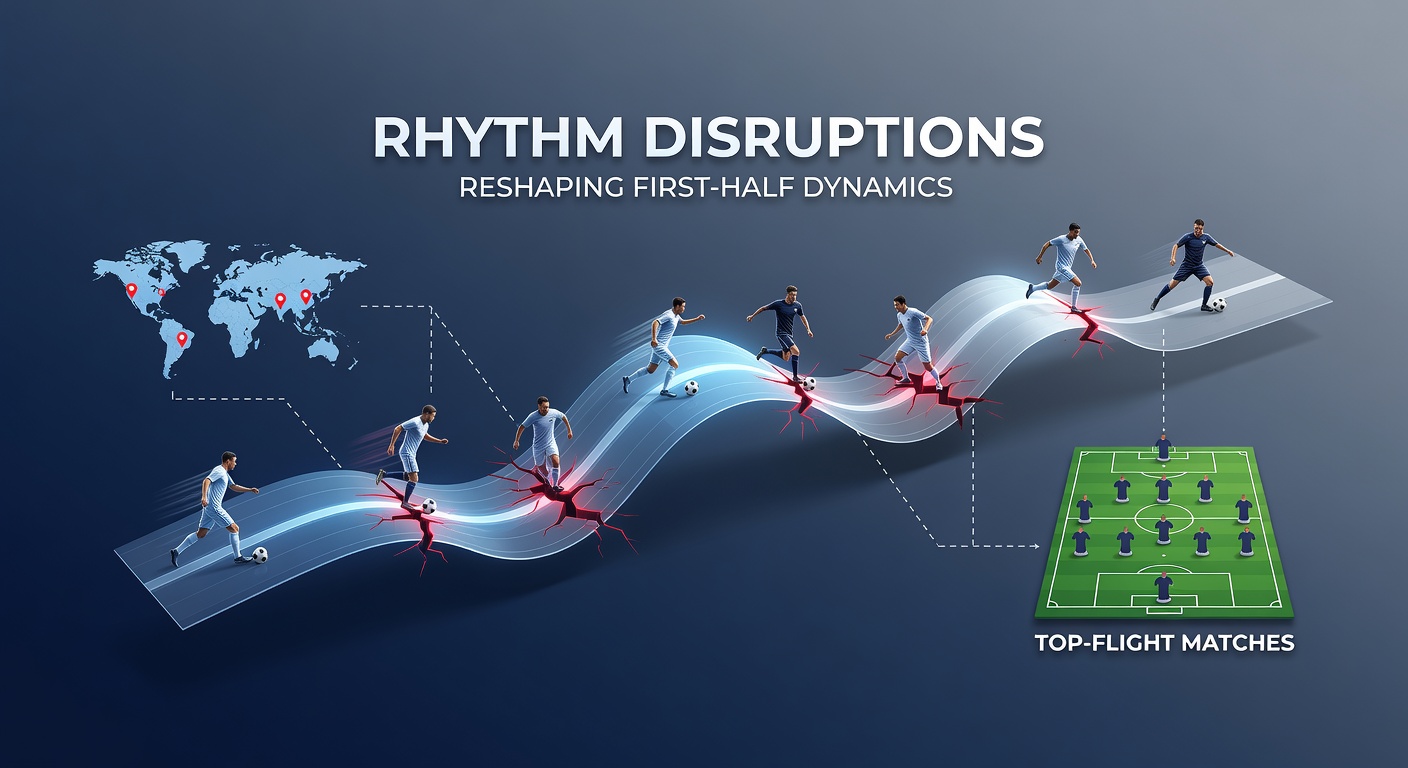
International breaks interrupt club schedules at regular intervals throughout the season, pulling players away from their domestic environments for national team commitments that can last up to two weeks. These pauses force teams to rebuild cohesion upon return, particularly in the opening periods of subsequent matches where patterns from pre-break training remain unsettled.
Schedule Interruptions and Player Availability
Top-flight leagues across Europe schedule breaks around FIFA and confederation windows, with clubs losing key personnel for qualifiers and friendlies. Data from the 2024-2025 season showed that Premier League sides lost an average of 4.2 players per matchday immediately following a break, according to tracking from Opta. Similar patterns appear in Serie A and Bundesliga fixtures, where squads must integrate returning players who have operated under different tactical instructions.
June 2026 brings added complexity because of the expanded FIFA World Cup schedule in North America. Clubs face an extended pause in late May and early June before the tournament begins, which compresses recovery timelines ahead of pre-season preparations. Researchers at the University of Loughborough have documented how such gaps alter neuromuscular readiness, with metrics indicating slower decision-making speeds in the first 20 minutes of domestic games.
First-Half Performance Shifts
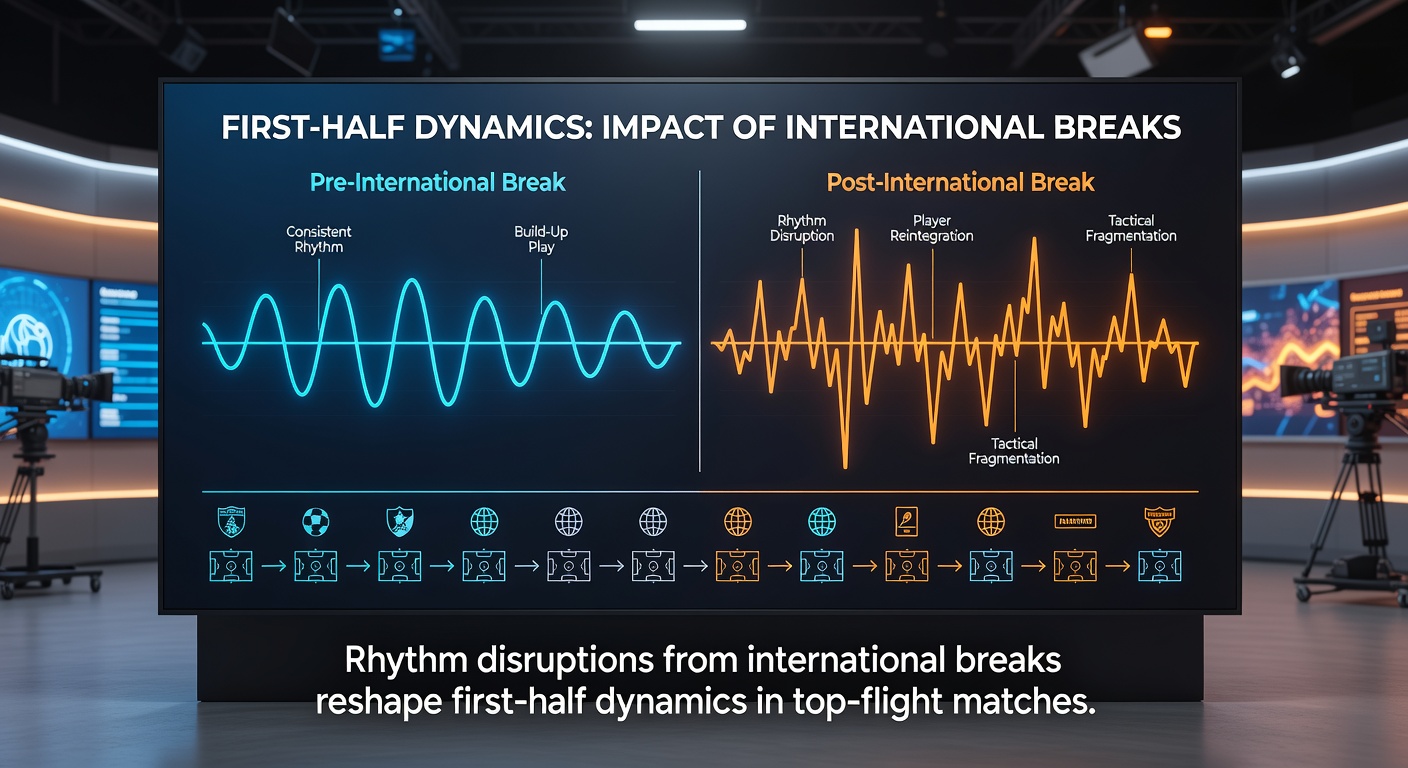
Statistical reviews of matches played within seven days of international resumption reveal consistent trends in goal timing and possession retention. In the Bundesliga, first-half goals dropped by 18 percent in the three matchdays after March 2025 breaks compared with midweek fixtures without absences. Possession percentages for returning teams fell below their season averages during opening halves, while successful pass completion in the final third declined measurably.
Coaches often deploy conservative setups in these games to allow time for re-acclimatisation. One analysis of La Liga encounters found that teams averaged 12 percent fewer progressive carries in the first 45 minutes post-break, shifting emphasis toward structured defensive blocks rather than high-pressing triggers. These adjustments reshape expected goal values, with fewer high-quality chances created before halftime.
Training and Tactical Readjustment
Clubs implement targeted sessions upon player return to restore match-specific rhythms. Video reviews and small-sided drills focus on re-establishing pressing triggers and set-piece routines that national team duties can overwrite. Sports science staff monitor workload metrics to balance recovery with tactical repetition, though full alignment typically requires several training days that are unavailable before the next league fixture.
Observers note that mid-table sides experience more pronounced effects because they possess shallower squads and fewer opportunities to rotate during absences. In contrast, title-chasing teams sometimes accelerate reintegration through squad depth, yet first-half outputs still show measurable dips in creativity metrics across multiple European datasets.
Comparative League Patterns
Across the Eredivisie and Primeira Liga, first-half dynamics post-break display elevated caution levels, with teams recording higher pass accuracy in their own halves while attempting fewer line-breaking actions. Figures released by the European Club Association indicate that average first-half xG differentials narrow by 0.15 goals in affected fixtures compared with standard schedule weeks.
CONCACAF nations prepare for similar disruptions ahead of the 2026 tournament cycle, where club versus country conflicts intensify for players based in MLS and Liga MX. Tracking from those leagues shows parallel reductions in early-game tempo, suggesting the phenomenon spans multiple confederations rather than remaining confined to European domestic competitions.
Longer-Term Adaptation Trends
Over consecutive seasons, some clubs have refined return protocols to mitigate initial disruptions. Structured recovery camps and individualized fitness programs help restore physical baselines faster, although tactical familiarity still lags behind physical readiness. Longitudinal studies from the German Football League highlight gradual improvements in second-half outputs as familiarity returns, underscoring that first-half adjustments remain the primary area of impact.
These patterns persist because international calendars continue to expand, creating repeated interruptions that prevent uninterrupted club rhythm development. Match data continues to reflect the resulting first-half conservatism across multiple top-flight environments.
Conclusion
International breaks create measurable interruptions that reshape first-half dynamics through reduced cohesion, altered training cycles, and cautious tactical approaches. Statistical evidence from multiple leagues confirms slower tempo, fewer progressive actions, and adjusted goal timings in the opening periods of post-break fixtures. As the 2026 World Cup approaches, these effects are likely to intensify during compressed recovery windows, requiring clubs to refine reintegration strategies while recognizing that first-half patterns will continue to diverge from standard schedule norms.