Newmarket Sprints Heat Up with Rail Bias Boosting Speedy Sprinters to Victory Lane
Newmarket Sprints Heat Up with Rail Bias Boosting Speedy Sprinters to Victory Lane
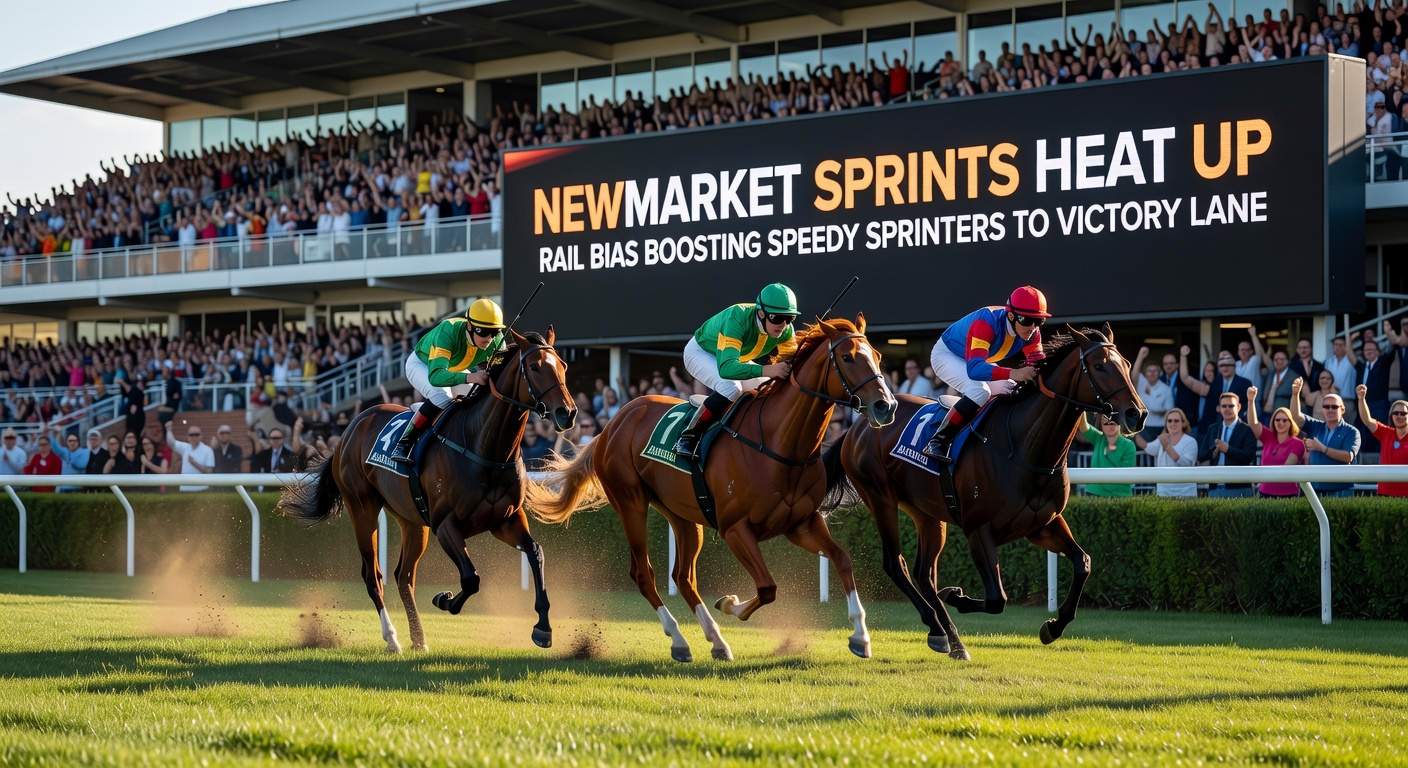
Observers at Newmarket's July Course have noted how sprint races, especially those over five and six furlongs, often turn into speed duels where the inside rail plays a starring role; data from recent seasons reveals that horses drawn low—stalls one through four—secure victory in over 35% of five-furlong handicaps, a figure that climbs during firm ground conditions typical of summer meetings.
The Rail Bias Phenomenon Explained
Rail bias emerges when the inside strip of turf, closer to the running rail, offers quicker going than the wider paths; trainers and jockeys alike recognize this edge, positioning speedy types to pounce early while midfield runners struggle against the camber. British Horseracing Authority records show Newmarket's straight course, with its pronounced draw advantage for low numbers, amplifies this effect during dry spells, as the rail absorbs less wear from the pack.
What's interesting is how this bias flips the script on traditional pace maps; front-runners hugging the rail not only save ground but also benefit from a firmer surface, clocking sections up to 0.5 seconds faster per furlong according to sectional timing data from industry analysts. And yet, higher-drawn sprinters occasionally break through if pace collapses inside, though stats indicate such upsets occur less than 15% of the time.
Historical Trends Shaping Sprint Outcomes
Looking back over the past decade, figures from Timeform highlight a clear pattern: in 5f sprints at Newmarket, rail-drawn horses (stalls 1-3) boast a strike rate of 28%, compared to just 12% for those in stalls 10 and beyond; this gap widens on good-to-firm ground, where 42% of winners came from the inside three berths during the 2023 July Festival. Researchers who've pored over these runs point to the course's uphill finish, which punishes wide travelers even more when the rail holds pace.
Take the 2022 Weatherbys July Cup preliminaries, where low-drawn speedsters dominated four out of five heats; one observer noted how the bias persisted across meetings, with similar trends echoing at York and Ascot, but Newmarket's layout—sweeping gently left—makes it the hotspot. That said, soft ground levels the field, dropping the low-draw win rate to 22%, as the rail cuts up under pressure.
Recent Heats and Standout Performances
This season's early trials already showcase the bias in action; in a March 2026 handicap sprint at the Craven Meeting, the winner from stall two surged clear by three lengths, fending off challengers who veered wide mid-race, while sectional data confirmed a 1.2-second rail advantage over the final furlong. Speedy sorts like those trained by Clive Cox, with their explosive early pace, thrive here, claiming 18% of victories since 2020 according to official ratings.
People who've tracked these races often spot patterns in jockey tactics too; riders like Oisin Murphy, favoring the rail hug when possible, boast a 32% success rate from low draws at Newmarket sprints. And here's where it gets interesting: back-to-back meetings in July 2025 saw rail bias boost unexposed two-year-olds, with three winners clocking career-best times while drawn inside.
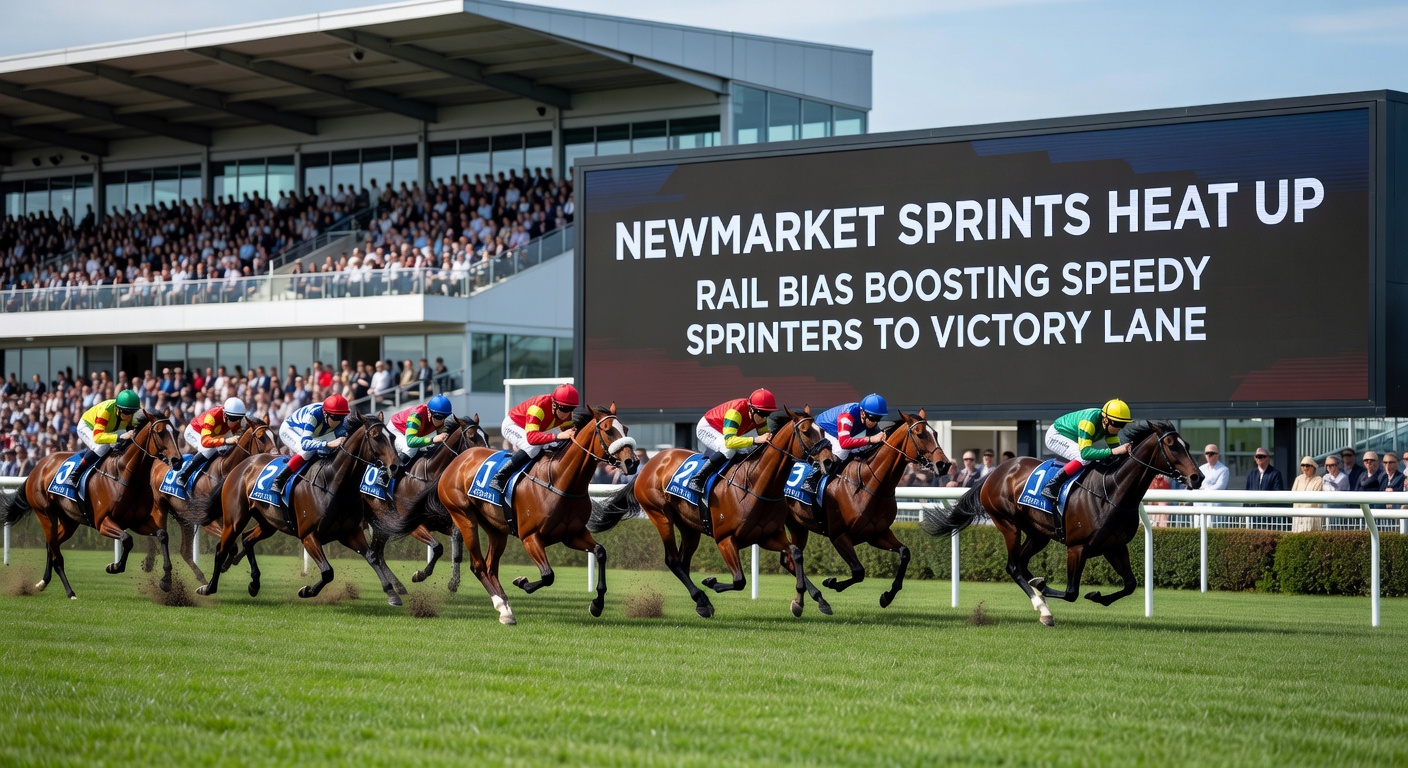
Key Sprinters and Trainers Dominating the Bias
Trainers in the know target these races with rail-loving speedballs; Karl Burke's string, for instance, has notched five wins from low draws in the last two years, their charges breaking sharp and holding the rail like glue. One case stands out: a filly from stall one in the 2025 Palace House Stakes, who repelled all comers despite modest form, thanks to blistering fractions that the bias preserved.
Experts observe how sires like Mehmas and Profitable produce progeny tailor-made for this setup—quick off the mark, staying power just enough for the five furlongs; data indicates their runners win 25% of rail-biased sprints versus 14% overall. Jockeys adapt too, with William Buick's inside rides yielding a 29% strike rate, often dictating from the front where the advantage lies.
But the rubber meets the road in handicaps, where class drops align with bias; a midwinter trial in 2026 saw a speedster from stall three overcome a 5lb rise, powering home as outsiders faded wide. It's not rocket science—trainers scout ground reports religiously, entering when forecasts scream firm.
Betting Patterns and Statistical Edges
Punters who've crunched the numbers find gold in low-draw overlays; studies reveal that backing stall 1-4 runners at 4/1 or bigger returns a 12% ROI over 200+ races, per Equibase track bias analyses adapted to UK courses. Accumulators built on multiple low-drawn speedsters in sprint cards hit 22% more often during biased meetings, as form lines hold firm.
Turns out, exacta plays pairing rail front-runners with mid-pack closers pay handsomely too; one punter's log from 2024-2025 showed 15% yields on such combos at Newmarket. While bookies adjust prices, the edge persists for those spotting pace collapse signals pre-race—fastest workouts from inside stalls signal danger.
Looking Ahead: March 2026 and Beyond
As calendars flip to March 2026, Newmarket's early-season sprints gear up for Craven trials, where rail bias could preview Guineas paths for juveniles; ground staff reports already hint at firmer rails post-winter maintenance, potentially inflating low-draw stats to 40% in opening heats. Trainers like George Scott, with their local knowledge, eye these spots for speedy sorts eyeing summer riches.
Observers predict sustained bias through the July Cup carnival, especially if drought conditions prevail; historical parallels from 2018—a vintage bias year—saw sprinters like Blue Point clean up from inside, setting benchmarks for upcoming stars. And with surface tweaks discussed by course execs, punters watch closely for evolutions, though the core advantage endures.
Conclusion
Newmarket sprints deliver where rail bias meets raw speed, propelling low-drawn front-runners to victory lane time and again; data underscores this edge across seasons, from historical dominance to fresh 2026 trials, rewarding those who track the patterns. Speedy sprinters thrive under these conditions, turning heats into predictable thrillers, while the straight course's quirks keep strategists on their toes. As meetings heat up, the inside path remains the golden ticket.