Midweek Fixture Fatigue: Mapping Recovery Patterns Across Compact European Calendars
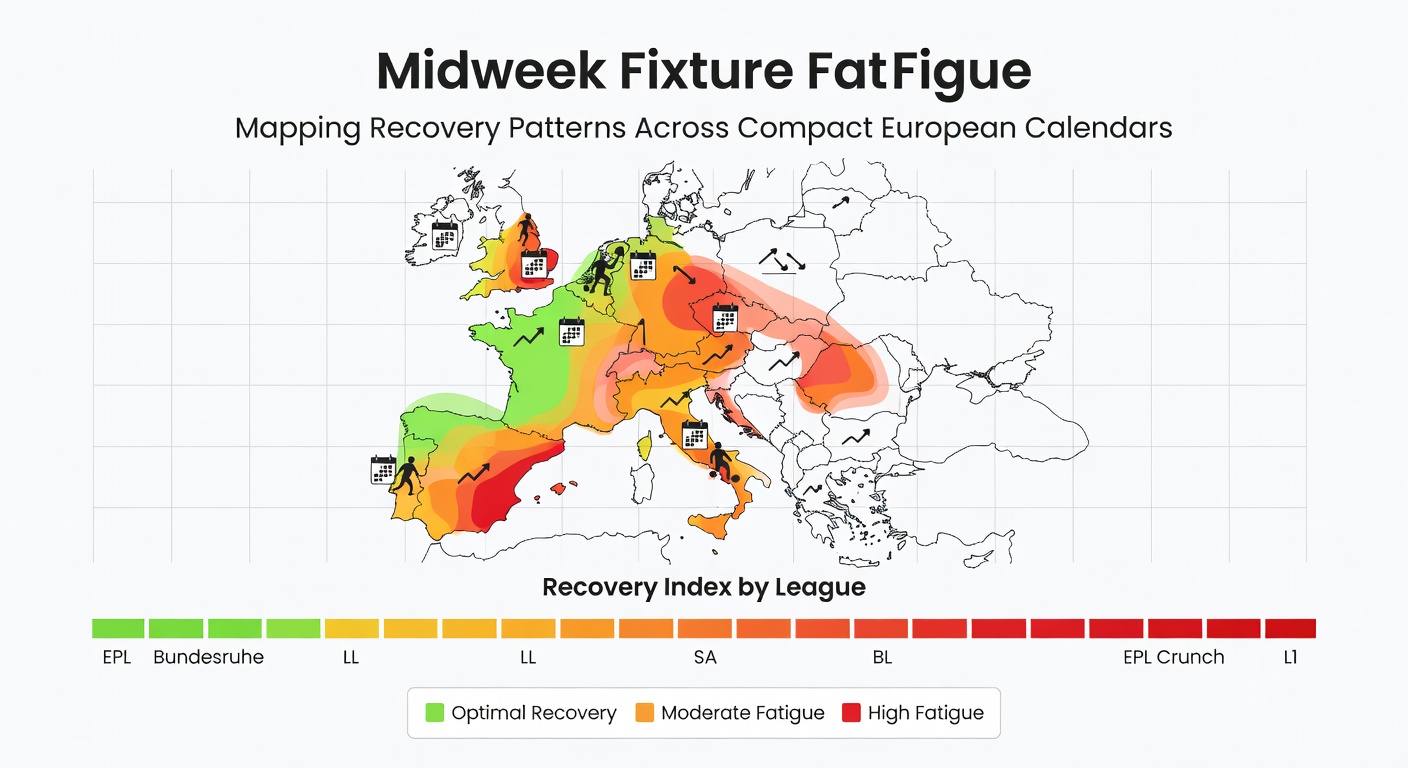
European football calendars pack midweek fixtures into tight windows each season, forcing clubs in the Champions League, Europa League, and domestic cups to navigate recovery cycles that stretch across weekends and international breaks. Data from the 2025/26 campaign shows teams averaging 1.8 additional matches per month when European commitments overlap with league play, according to scheduling records maintained by continental governing bodies.
Fixture Congestion Patterns in Major Leagues
Clubs in the Premier League, Bundesliga, and Serie A face distinct demands when Thursday evening games follow Sunday fixtures, creating recovery gaps as short as 72 hours for some squads. Researchers at the University of Lyon tracked heart rate variability and muscle soreness markers in French and German teams during the autumn phase of the 2025/26 season, finding that players required an average of 96 hours to return baseline readiness levels after combined travel and match loads exceeding 12 kilometers per game. Those patterns shift again in spring when knockout stages intensify the calendar pressure.
Recovery Metrics and Training Adjustments
Performance analysts monitor GPS-tracked distance, sleep duration, and neuromuscular fatigue scores to map how squads adapt across compact periods, with many clubs inserting lighter sessions or individual recovery protocols on the day after midweek ties. Figures released by the European Club Association indicate that teams using structured cryotherapy and nutrition timing reduced reported soft-tissue issues by 14 percent during the December to February window compared with the prior campaign. Observers note that recovery timelines vary by position, as midfielders logging higher accelerations often need extended low-intensity work before full team integration resumes.
What's notable is how calendar compression affects squad rotation decisions, with coaches balancing European ambitions against domestic points accumulation. One Bundesliga side in 2025/26 adjusted its Thursday-to-Sunday preparation by shortening tactical drills and emphasizing individualized mobility work, allowing key players to maintain output levels despite the squeeze. Similar approaches appear in Serie A where travel distances to Eastern European venues add further layers to physical demands.
Regional Variations and May 2026 Implications
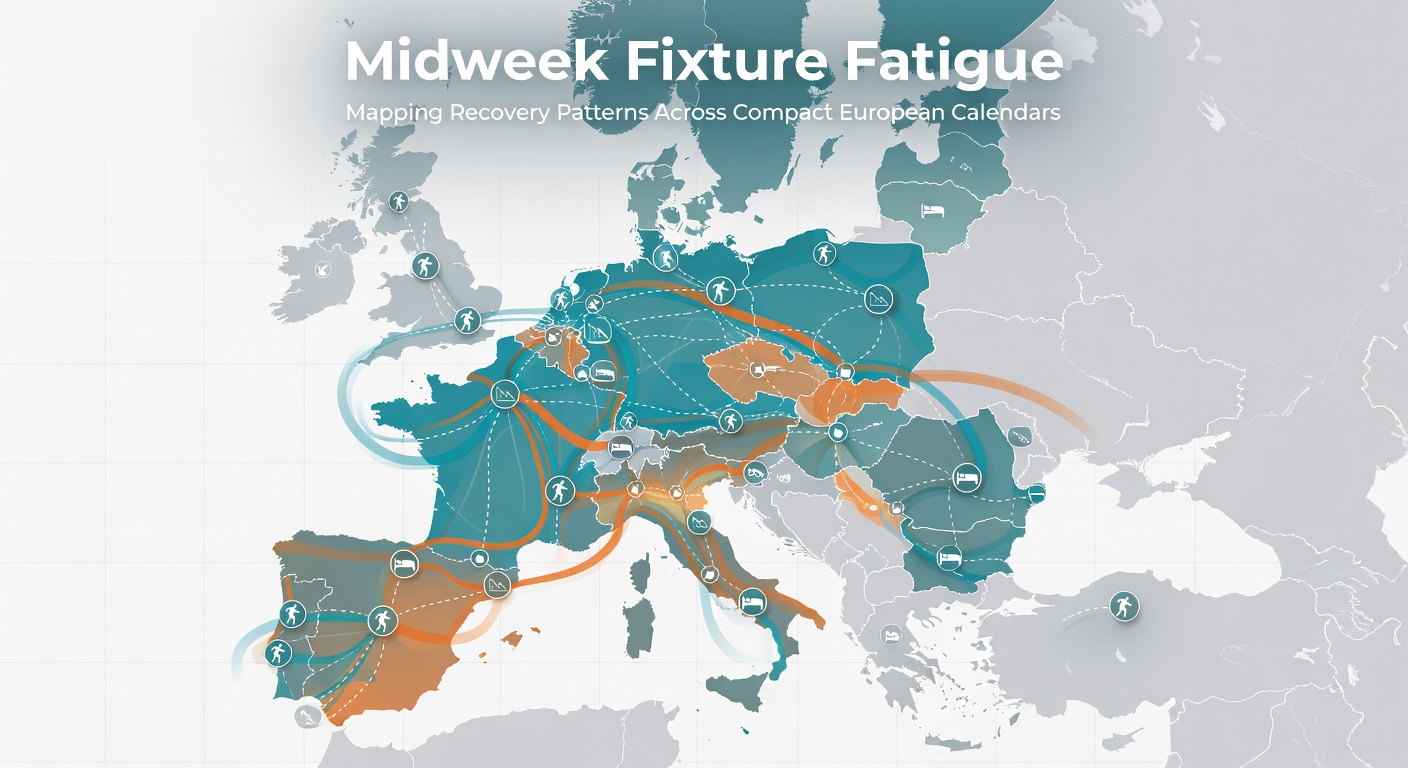
By May 2026 the final European matchdays coincide with domestic title races and relegation battles, compressing recovery windows even further for clubs still involved in multiple competitions. Scheduling data from that period reveals several top sides facing three games inside eight days, prompting sports science departments to prioritize sleep tracking and load management over high-volume training. Studies conducted across Spanish and Portuguese academies highlight how younger players in academy-to-first-team pathways often show slower neuromuscular recovery rates under these conditions, prompting clubs to integrate more bench options during the closing weeks.
Turns out the impact extends beyond elite levels, as clubs in the Dutch Eredivisie and Belgian Pro League experience comparable fixture pile-ups when European spots remain in play. Analysts examining match reports from April and May windows found elevated substitution rates in the final 30 minutes, reflecting deliberate efforts to protect fatigued starters while preserving tactical shape. Those adjustments align with broader findings from sports medicine reviews that link shorter recovery intervals to modest increases in error frequency during high-pressure phases.
Case Examples from Recent Seasons
Take one Italian club that reached the Europa League semifinals in 2025 yet maintained strong Serie A form through systematic recovery mapping, using daily wellness questionnaires to guide training intensity. Their approach contrasted with another side that suffered a late-season dip after failing to rotate sufficiently during a run of midweek ties. Researchers documented similar contrasts in the Portuguese Primeira Liga where travel to group-stage away fixtures created measurable drops in sprint metrics for several matchdays afterward. Such examples illustrate how recovery planning intersects with squad depth and medical support structures across different leagues.
Experts tracking these trends emphasize the role of periodized programs that alternate high-load and recovery days within each micro-cycle. Data compiled by the French Football Federation shows clubs employing such models recorded fewer muscular complaints during congested months than those relying on standard weekly structures. And yet some patterns persist regardless of preparation, particularly when external factors such as weather or pitch conditions compound physical stress during May fixtures.
Conclusion
Recovery patterns across compact European calendars continue to evolve as clubs refine monitoring tools and adjust preparation routines in response to fixture demands. Data gathered through the 2025/26 season and into May 2026 provides clearer baselines for understanding how players regain physical and mental sharpness between midweek and weekend obligations. Those insights support ongoing refinements in training methodologies and squad management strategies employed throughout Europe's top divisions.