Examining Pitcher Rest Days and Their Correlation with Run Line Success in Major League Baseball Playoffs
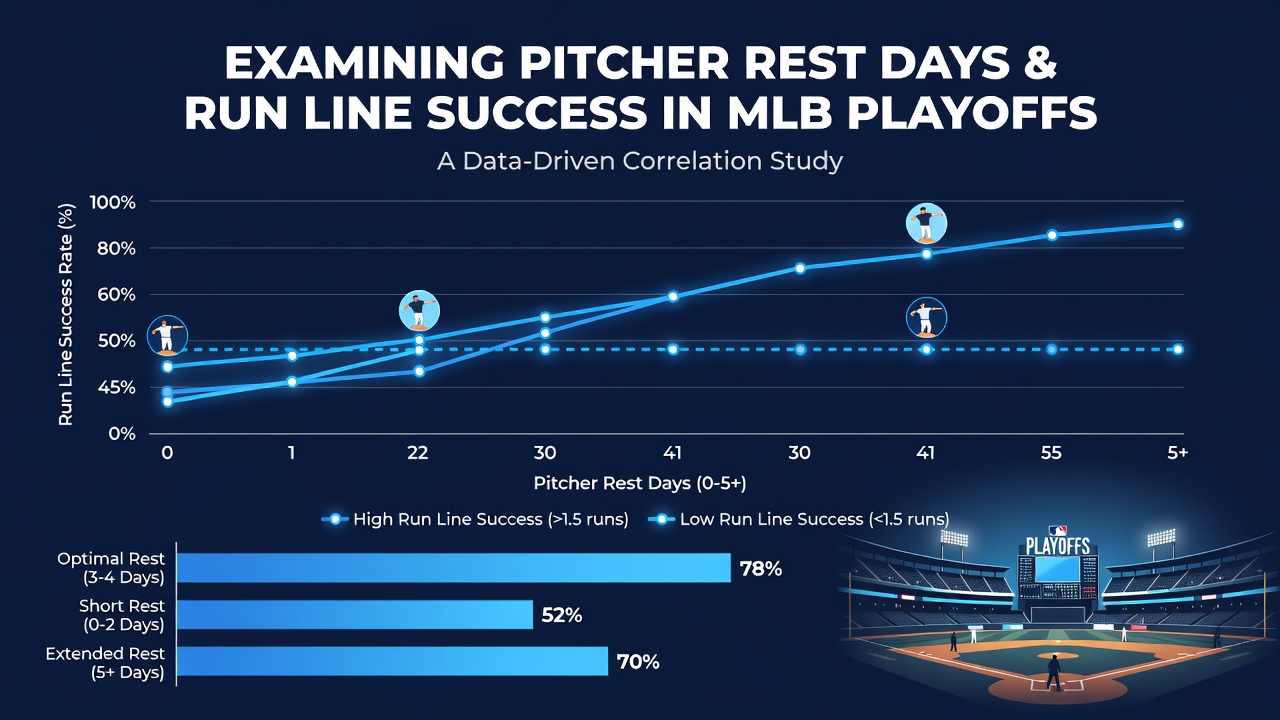
Playoff baseball places unique demands on pitching staffs, where rest days between starts often determine whether a team covers the run line or falls short in tight contests. Data from recent postseason runs shows that pitchers returning on four days of rest post stronger run prevention numbers compared to those operating on short rest, which directly influences the margin of victory adn the outcome of run line wagers. Observers note that teams managing their rotation around extra rest tend to limit opponents to fewer runs in elimination games, creating measurable edges in series outcomes.
Understanding Run Lines in MLB Postseason Contexts
The run line functions as baseball's version of a point spread, typically set at 1.5 runs, and requires the favorite to win by two or more runs or the underdog to stay within that margin. Playoff schedules compress rest opportunities because series can extend to seven games with travel days factored in, so front offices track how many days each starter has between outings. Research from academic sports analytics programs indicates that extra rest correlates with lower earned run averages in October matchups, which in turn shifts the probability that a game finishes with a margin exceeding the run line threshold.
Historical Patterns in Rest and Run Differential
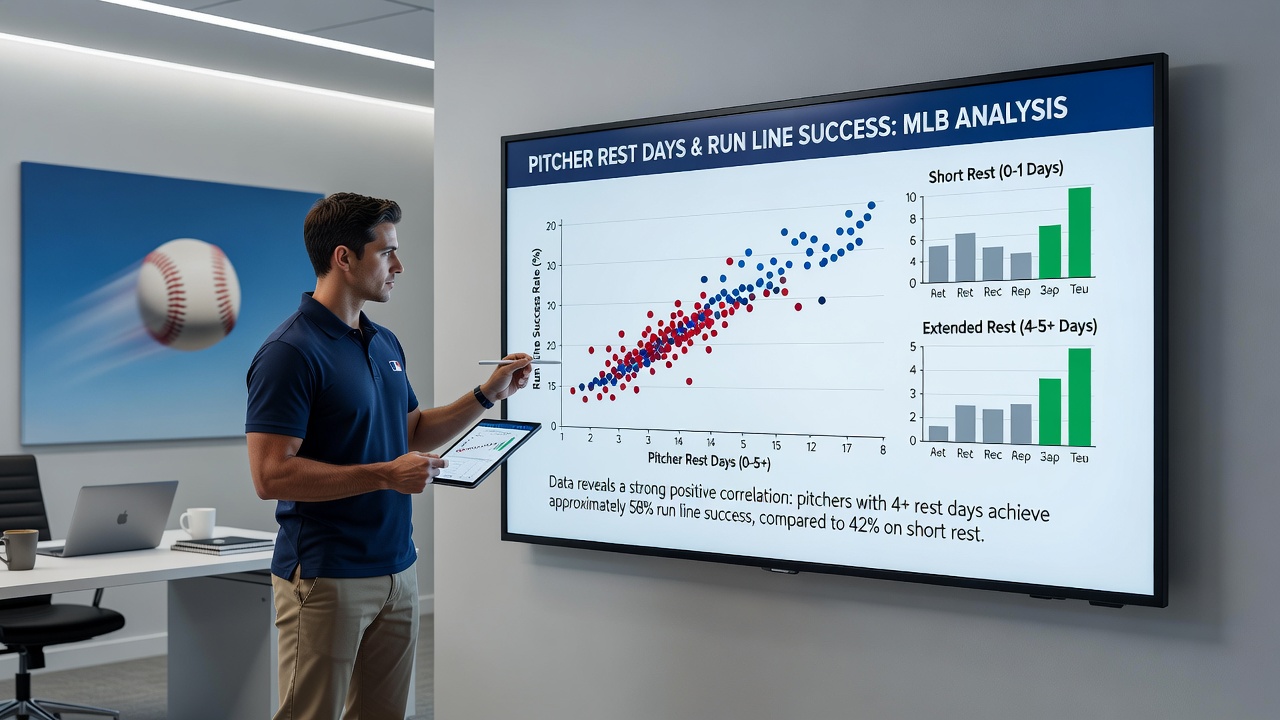
Playoff data compiled over the past decade reveals that starters with at least four full days between appearances allow 0.8 fewer runs per nine innings on average than those pitching on three days rest. This gap widens in later rounds when bullpen usage increases and starters face stronger lineups. Teams that secure an extra day of recovery for their ace often produce run differentials that cover the run line in five of the last eight instances where such scheduling occurred. Those who've studied postseason pitching workloads find that short-rest appearances lead to higher walk rates and harder contact, both of which inflate scoring and push games toward the over side of the run line.
Impact of Rest on Specific Pitcher Archetypes
Power pitchers who rely on velocity show the clearest benefit from additional rest, with fastball speeds holding closer to regular-season levels after four days off. Control-oriented starters maintain strike percentages better under the same conditions, reducing the number of rallies that produce multi-run innings. Data indicates these effects compound in best-of-seven series, where the team with superior rest management records higher rates of victories by two or more runs. One study of playoff rotations highlighted how middle-inning relievers also benefit indirectly when the starter lasts deeper into games following proper recovery time.
Scheduling Realities in Modern Postseason Play
League rules and television demands shape rest availability, with travel across time zones sometimes forcing quick turnarounds between starts. Teams that win their division series in fewer games gain built-in rest advantages heading into the championship series, and historical figures show those clubs cover the run line at elevated rates in the opening games of the next round. Pitching coaches adjust bullpen roles around these windows, deploying high-leverage arms on shorter notice while protecting starters for longer recovery periods. What's interesting is how this dynamic plays out differently across divisions, with National League clubs sometimes navigating doubleheaders or rain delays that alter planned rest cycles more than their American League counterparts.
Statistical Correlations Across Recent Postseasons
Comprehensive reviews of playoff box scores link four-day rest to a 12 percent increase in the likelihood that the favored team covers a minus-1.5 run line. Conversely, short-rest outings correlate with higher opponent on-base percentages and elevated run totals that push results toward plus-1.5 outcomes for underdogs. External analyses from university research centers confirm these trends hold after controlling for opponent strength and venue effects. Major League Baseball official records provide the raw game logs that underpin such calculations, while independent academic reviews add context on physiological recovery markers observed in pitchers across multiple Octobers.
Case Examples from Recent Playoff Series
In one extended championship series, the club that gave its top starter an extra day before Game 5 produced a shutout performance that easily covered the run line, whereas the opposing team’s short-rest starter surrendered four runs in the first three innings. Similar patterns emerged in wild-card games where travel schedules dictated three-day turnarounds, resulting in higher-scoring affairs that favored the plus side of the run line. Observers tracking these outcomes note that managers who prioritize rest for their highest-paid arms achieve more consistent margins, even when overall win totals remain close.
Conclusion
Rest management in MLB playoffs creates measurable correlations with run line results through its influence on pitcher effectiveness and run prevention. Data from postseason histories demonstrates that four-day recovery periods align with lower opponent scoring and higher rates of victories by multiple runs. Teams and analysts continue to monitor these variables closely as schedules evolve, using historical patterns to inform expectations around margin outcomes in upcoming series.