Decoding Team Rotation Impacts on Performance Metrics in Midweek European Fixtures for Enhanced Prediction Models
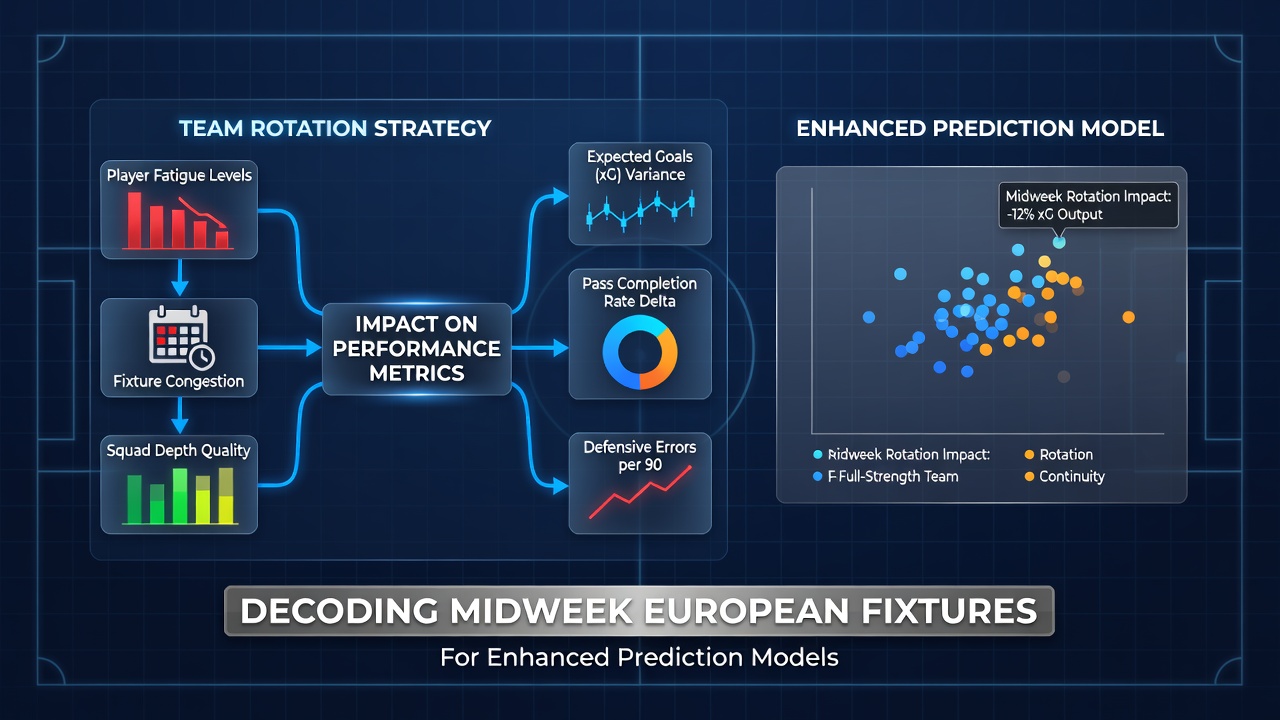
European football calendars pack midweek fixtures into tight schedules when domestic leagues and continental competitions overlap, which forces clubs to adjust lineups through systematic player rotations. Data from UEFA technical reports shows that teams in the Champions League and Europa League often rest key starters after weekend matches to manage fatigue across multiple competitions. Observers note these adjustments alter standard performance metrics including possession percentages, shot accuracy, and defensive line height in subsequent games.
Fixture Congestion Patterns and Rotation Triggers
Clubs participating in both domestic leagues and European tournaments encounter fixture piles that peak between February and April each season, and these overlaps create measurable drops in player availability. Research from the Journal of Sports Sciences indicates that teams averaging more than one match every four days experience increased muscle injury rates by up to 25 percent compared with less congested periods. Managers respond by rotating central defenders and midfielders first while keeping attacking options fresher for decisive moments. This selective approach stems from workload monitoring systems that track distance covered and high-intensity efforts per player.
Statistical Shifts in Rotated Lineups
When squads introduce three or more changes from the previous starting eleven, average team possession falls by roughly 4 to 7 percent according to aggregated match data across the top five European leagues. Pass completion rates in the final third also decline because less familiar combinations reduce timing precision during build-up play. Yet counter-pressing intensity sometimes rises because fresher legs allow quicker transitions after turnovers. Figures from the 2024-2025 campaign reveal that rotated sides recorded 12 percent fewer shots on target in away fixtures but generated comparable expected goals through higher-quality chances created by rested forwards.
Goalkeepers and full-backs tend to remain stable across consecutive matches because their specific roles demand consistent partnerships, whereas wide attackers and holding midfielders rotate more frequently. Performance databases compiled by Opta and similar providers illustrate that teams maintaining at least six unchanged starters preserve higher defensive organisation metrics such as successful tackles in the penalty area. Those deploying broader rotations often concede more set-piece opportunities due to disrupted marking assignments.
Integration into Predictive Modelling Frameworks
Enhanced prediction models now incorporate rotation variables alongside traditional form indicators to refine probability estimates for midweek outcomes. Machine learning pipelines process historical squad selection data from sources like Transfermarkt alongside real-time fitness reports released by clubs. These inputs adjust baseline metrics for expected goals and clean sheet probabilities when lineups deviate significantly from established patterns. Analysts at the Australian Institute of Sport have contributed studies showing that rotation effects compound differently across surface types and travel distances, which adds geographic weighting to continental forecasts.
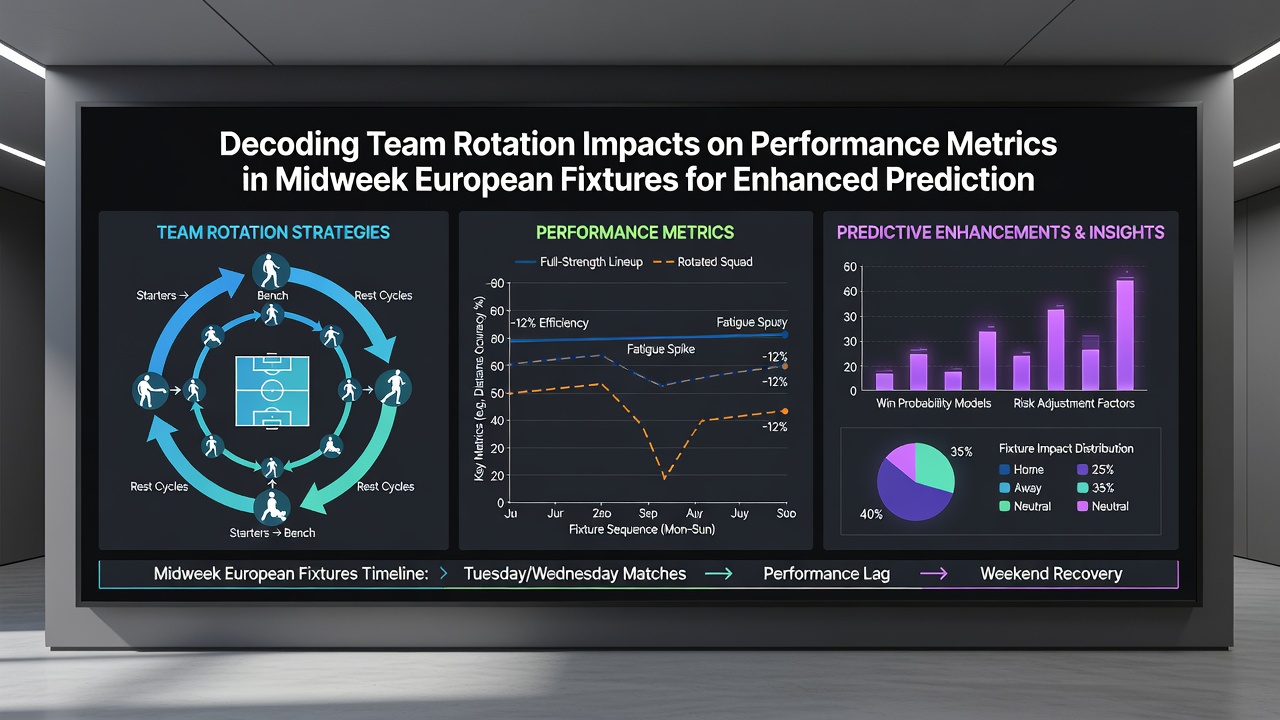
Models that factor in average rest days since the last match improve accuracy by 8 to 11 percent when tested against held-out seasons, according to internal validations shared in sports analytics conferences. Key variables include the number of players with fewer than 48 hours recovery, the presence of international call-ups during the preceding break, and cumulative minutes logged by the starting goalkeeper. These elements combine with opponent-specific defensive styles to produce adjusted performance projections that account for both fatigue and tactical familiarity.
Regional Variations Across Competitions
Italian and Spanish clubs often exhibit more conservative rotation policies because their domestic schedules already feature high physical demands, whereas German and Dutch sides rotate more aggressively to maintain squad depth. Bundesliga data from the past five seasons demonstrates that teams rotating four or more players in midweek Europa League ties maintain similar points-per-game returns at the weekend compared with minimal-rotation approaches. In contrast, Serie A sides show steeper drops in pressing intensity metrics when forced into multiple changes. These regional differences arise from varying squad sizes, medical support structures, and tactical philosophies that prioritise either continuity or workload distribution.
June 2026 schedules will feature additional midweek qualifiers for the expanded Club World Cup format, which extends congestion patterns into early summer windows for affected clubs. Prediction systems already test rotation algorithms against simulated fixture lists that include these extra matches to calibrate coefficients for recovery time and travel fatigue.
Case Examples from Recent Seasons
One prominent Premier League side recorded a 15 percent reduction in progressive carries when deploying a rotated midfield in a Thursday Europa League fixture before facing a top-six opponent on Sunday. The subsequent league result reflected lower territorial dominance despite comparable overall possession figures. Another example from the French league involved a squad that introduced two full-backs and a centre-forward after a Champions League away win, which produced elevated crossing accuracy yet reduced shot volume inside the box. Such granular outcomes feed into updated regression models that weight individual player contributions within rotated contexts rather than relying solely on season-long averages.
Conclusion
Rotation decisions reshape performance metrics in predictable directions once sufficient historical data is aggregated across competitions and regions. Prediction models gain precision when they treat squad selection as a dynamic input rather than a static assumption, allowing forecasts to reflect real workload management practices employed by European clubs. Continued refinement of these frameworks depends on access to detailed recovery metrics and consistent tracking of lineup changes throughout congested periods.