Deciphering wicket variations and their influence on run rate expectations in T20 league encounters
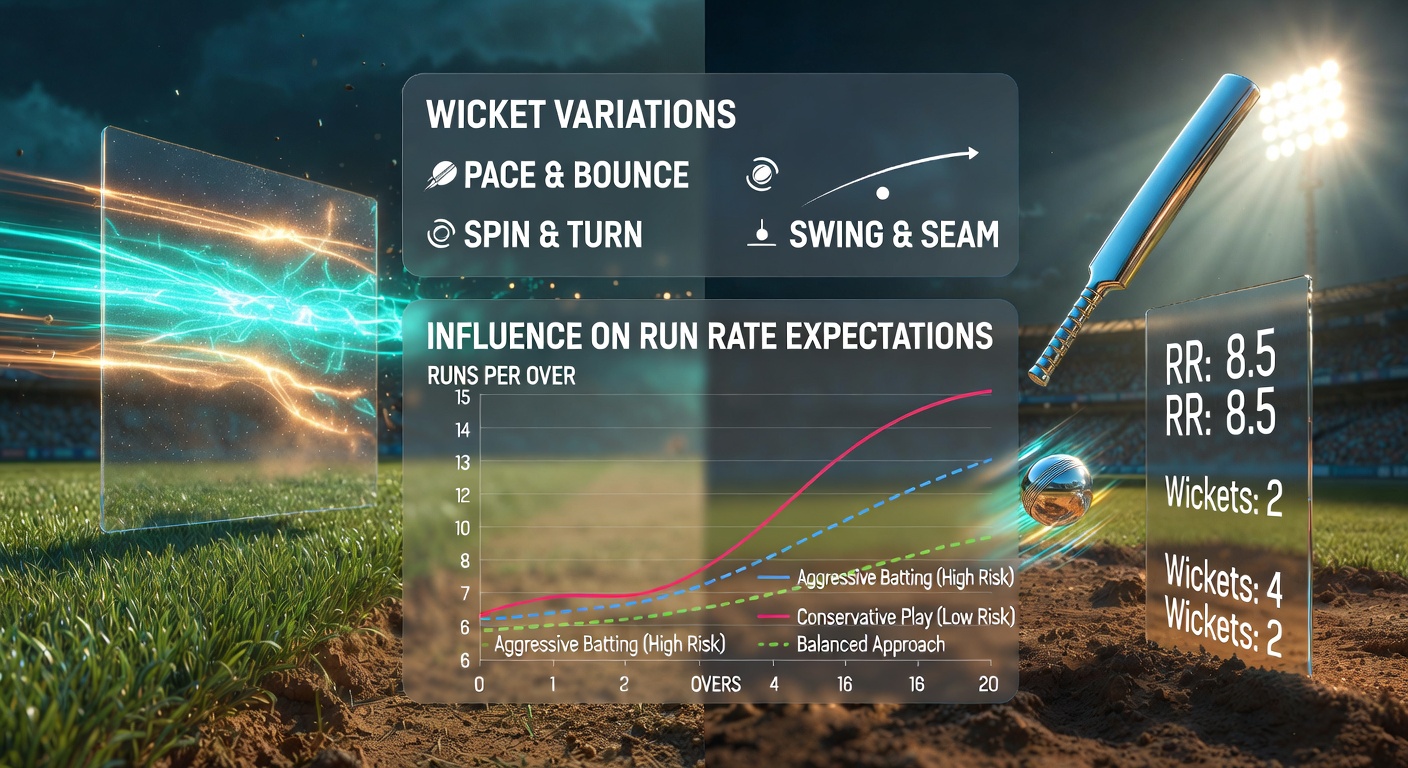
Cricket analysts track wicket conditions across T20 leagues because surface characteristics directly shape how teams approach run accumulation from the first over onward. Pitch composition, moisture levels, grass density, and wear patterns create distinct environments that alter bounce, seam movement, and spin grip, which in turn modify expected scoring velocities during league matches.
Wicket types and measurable effects on scoring
Flat, dry tracks with minimal grass allow batsmen to play expansive shots early, producing higher run rates as the ball travels faster off the bat adn reaches the boundary more frequently. Data collected from multiple seasons shows these surfaces often support totals above 180 runs per innings when dew arrives later in the evening, whereas greener pitches retain moisture that assists seamers and restricts free scoring in the powerplay phase. Observers note that cracked surfaces emerging after 10 overs introduce variable bounce, forcing adjustments in shot selection that slow the overall tempo.
Clay-heavy wickets common in certain subcontinental venues bind tightly under lights and offer consistent bounce, enabling spinners to extract turn later in the innings while limiting the effectiveness of pace bowlers. Research from regional cricket boards indicates that teams facing such conditions adapt by prioritizing strike rotation over boundary hitting during the middle overs, which keeps projected run rates lower than those recorded on true surfaces.
League-specific patterns and data trends
Indian Premier League encounters demonstrate how venue-specific preparations influence expectations, with grounds like Mumbai and Chennai exhibiting slower surfaces that reward tactical adjustments rather than aggressive hitting throughout. In contrast, Australian Big Bash League matches frequently unfold on livelier pitches where early wickets fall less often, allowing opening partnerships to build platforms that push run rates beyond 9 per over. Figures compiled across these competitions reveal consistent correlations between grass cover percentages at toss time and the average runs scored in the first six overs.
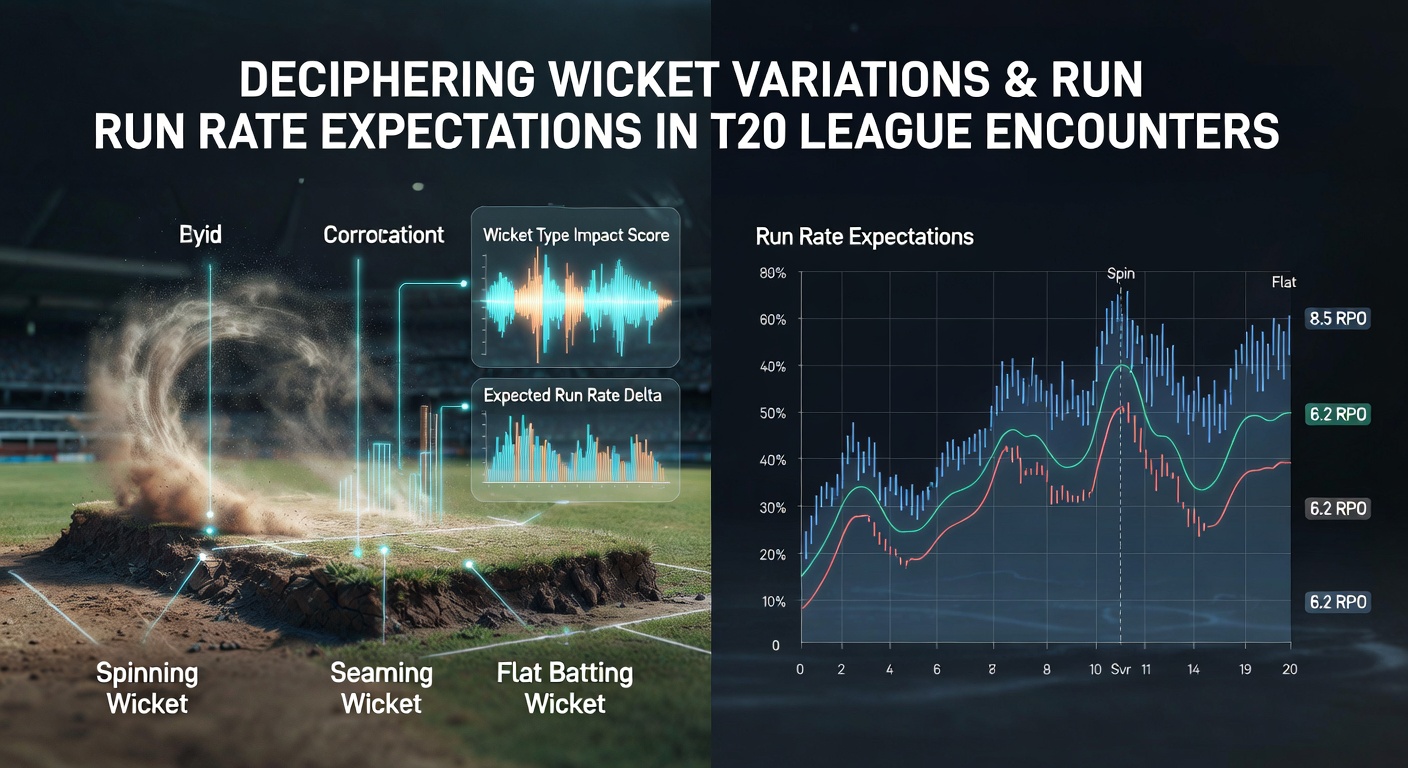
What's interesting is that analysts cross-reference historical scoring data with current weather forecasts because overnight rainfall can soften the top layer and create conditions that favor swing bowling early on. Such changes compress scoring windows until the surface dries, at which point teams recalibrate their expectations upward. Studies conducted by institutions including the University of the Witwatersrand have quantified how these transitions affect required run rates in the death overs, showing measurable drops when early assistance for bowlers occurs.
Impact of match timing and environmental factors
May 2026 schedules across several T20 leagues coincide with transitional weather periods that intensify pitch variation effects. Evening fixtures under floodlights accelerate dew formation on certain grounds, which reduces grip for spinners and elevates run rates in the final ten overs as the ball skids through. Morning or afternoon games avoid this factor and maintain drier conditions longer, preserving seam movement that keeps scoring rates in check. Teams monitor these variables through detailed pitch reports issued before each round, allowing captains to set fields and select bowlers accordingly.
But here's the thing: preparation cycles at stadiums also matter because rolling intensity and watering schedules differ between venues. Groundskeepers in one league might leave extra grass to assist pacers, while another venue's staff produce drier, flatter surfaces to encourage higher totals. These deliberate choices create predictable shifts in run rate expectations that statistical models incorporate when generating pre-match projections.
Strategic adaptations driven by surface analysis
Captains respond to identified wicket traits by altering batting orders and bowling rotations. On slow, turning tracks they often insert spin-friendly middle-order players earlier, aiming to maintain momentum through calculated risks rather than power hitting. Faster surfaces encourage power hitters at the top, which elevates projected scoring velocities from the outset. Evidence from league archives shows these tactical shifts produce measurable differences in final totals when compared against baseline expectations derived from uniform pitch conditions.
External organizations such as Cricket Australia publish detailed surface assessments that help quantify these influences across competitions. Similar reports from other governing bodies add regional context that refines models used by analysts tracking run rate fluctuations.
Conclusion
Wicket variations remain central to understanding run rate expectations because they interact with every phase of a T20 innings. Surface type, preparation methods, and environmental timing combine to produce distinct scoring environments that teams must decode before each encounter. Data accumulated across leagues demonstrates repeatable patterns that inform both strategic planning and performance forecasting without relying on subjective judgment. Observers continue to refine analytical approaches as new surfaces and scheduling factors emerge in future seasons.