Deciphering Jockey-Trainer Combinations in National Hunt Races for Place Market Opportunities
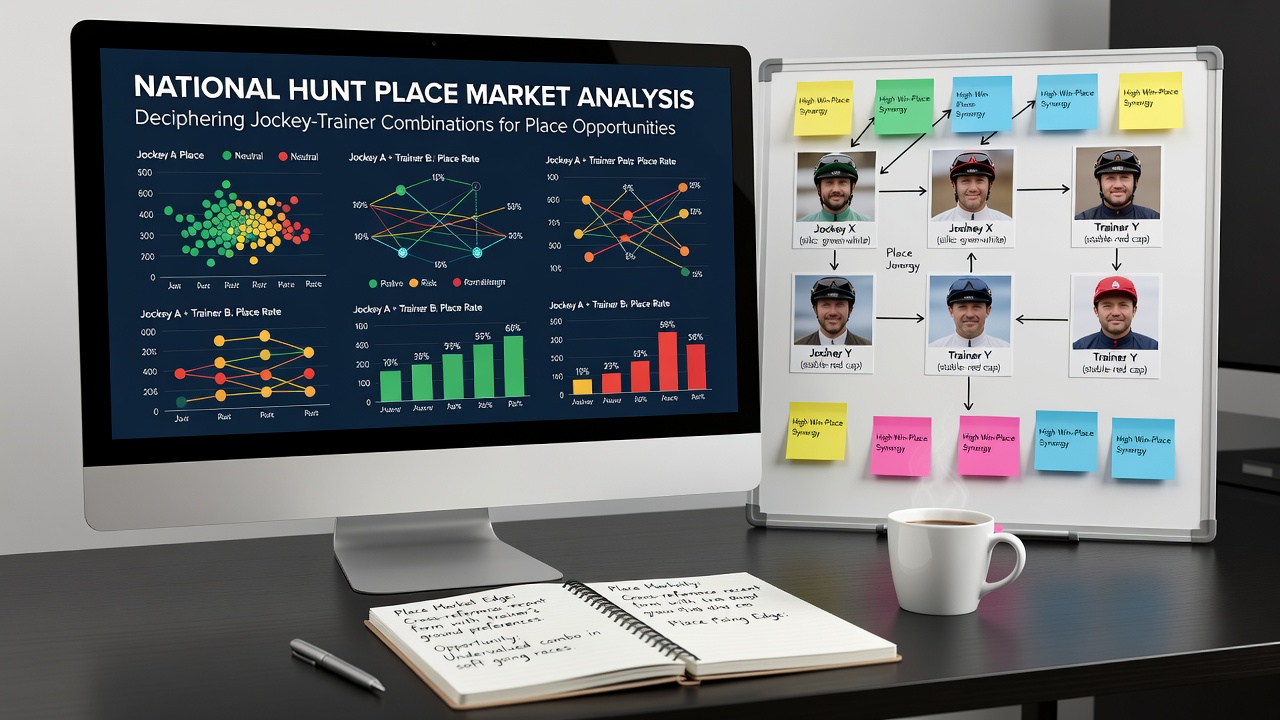
National hunt racing blends speed with endurance across hurdles and fences, and the partnership between a jockey and trainer shapes many outcomes in place betting markets where bettors target finishes in the top two, three or four positions. Observers note that certain rider-trainer pairings deliver consistent place results because they align specific skills with track conditions and race distances. Data from recent seasons shows these combinations often outperform random pairings, particularly when trainers prepare horses for stamina tests while jockeys manage pace over obstacles.
The Dynamics Behind Successful Partnerships
Trainers develop horses through targeted schooling and fitness regimes, while jockeys provide real-time tactical adjustments during races. Researchers have tracked thousands of runs and found that pairings with over 200 joint starts tend to produce place strike rates above 35 percent in handicap chases, especially when both parties share experience at tracks like Cheltenham or Aintree. Those who've studied form books observe that communication between the pair improves when they work together regularly at the same yard, leading to better positioning early in races and fewer jumping errors that could drop a horse out of the places.
June 2026 brings the tail end of the jumps season before the summer break, and analysts review winter data to identify pairings that maintained form through heavy ground campaigns. Figures from Irish meetings reveal that certain trainer-jockey teams recorded place rates near 42 percent on softer surfaces, where jumping accuracy becomes critical. The same data sets highlight how jockeys who ride multiple horses for one stable develop an edge in reading pace and conserving energy for the final circuit.
Statistical Patterns in Place Markets
Place markets reward consistency rather than outright wins, so combinations that avoid early mistakes while staying competitive through the middle stages stand out. Studies of UK and Irish national hunt results indicate that jockeys with high completion rates pair effectively with trainers known for patient preparation, producing place percentages that exceed market expectations in long-distance events. What's interesting is how these edges appear more frequently in novice hurdles and handicap chases than in graded contests, where competition levels rise sharply.
One study revealed patterns across 18,000 runs where trainer-jockey teams with at least 150 shared outings achieved place returns 8 percent above average in races run on good to soft ground. Observers tracking these numbers point to improved horse placement at obstacles and better energy distribution over the final mile as key factors. Data shows that such advantages compound when the pair returns to familiar tracks, where course knowledge adds another layer of reliability for place betting strategies.
Regional Variations and Track-Specific Trends
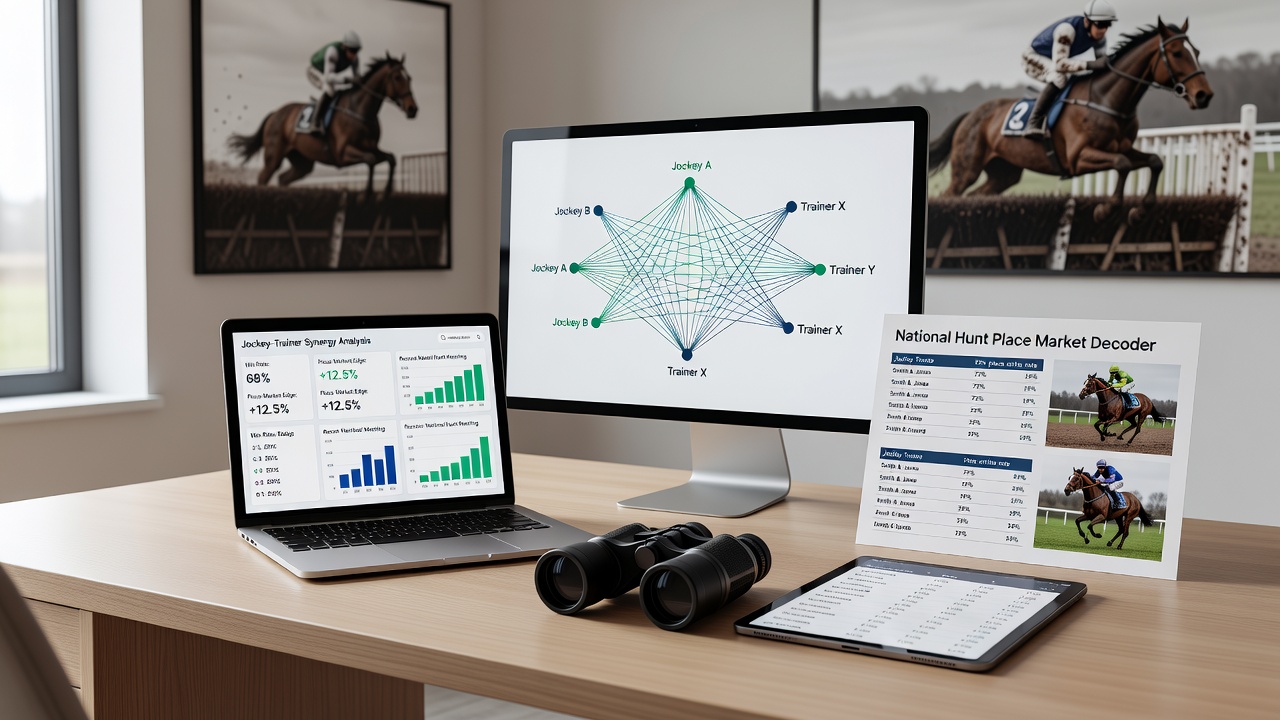
Tracks in the north of England and Scotland often reward combinations that excel in testing conditions, while southern venues favor those comfortable with faster paces. Research indicates that trainers based in Ireland who send horses to UK meetings frequently team with local jockeys to boost place chances, creating temporary partnerships that still deliver measurable results. Those who've examined seasonal trends note stronger place performance from established pairs during the winter months when ground conditions vary widely.
According to reports published by Horse Racing Ireland, consistent rider-trainer units recorded higher place conversion rates in novice events compared with more fragmented pairings. The same reports highlight how these statistics hold across both hurdle and chase disciplines when races exceed two and a half miles. Observers note that place market opportunities emerge clearest when the combination returns from a break or switches to a new distance bracket, as preparation routines remain unchanged while race dynamics shift.
Practical Approaches for Identifying Value
Bettors examine recent form lines for each pairing, focusing on the last six to eight outings rather than career totals. Data indicates that combinations maintaining a place rate above 30 percent in similar race types offer measurable edges, especially when the trainer's stable shows overall improvement. Those tracking these metrics often cross-reference with going reports and distance changes to refine selections for place markets. What's significant is how short-term form within the partnership can signal upcoming reliability even when overall win rates stay modest.
Industry organizations such as the Irish Horseracing Regulatory Board publish aggregated performance tables that allow comparison across multiple seasons. Additional insights appear in academic reviews from institutions like the University of Sydney's equine research group, where models factor in variables such as weight carried and previous course experience. These resources help isolate combinations that consistently deliver place results without relying on outright victory.
Conclusion
Deciphering jockey-trainer combinations in national hunt racing requires attention to shared history, track conditions and race distances. Data continues to show that established partnerships produce repeatable place outcomes across handicap and novice events, giving those who analyze form tables structured information for market decisions. As the 2025-2026 jumps season concludes, ongoing reviews of these pairings will shape approaches for the following winter campaign.