Assessing Squad Rotation Effects on Draw Probabilities in European Qualifier Fixtures
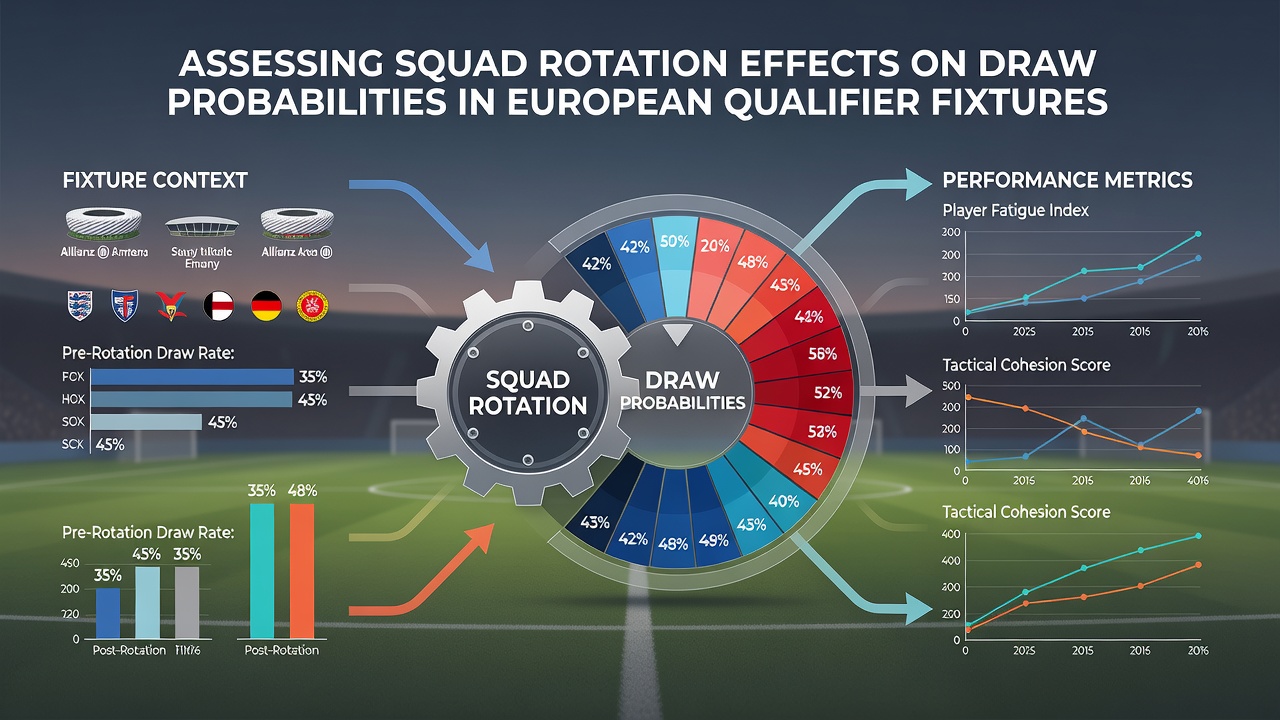
European qualifier fixtures create unique scheduling pressures that force national team coaches to manage player workloads across congested calendars, and squad rotation emerges as a central variable in determining match outcomes. Researchers tracking UEFA and FIFA competitions note that teams often rest key starters during these matches, which alters team cohesion and defensive structure in measurable ways. Data from recent qualification cycles shows rotation rates climbing when clubs release players shortly after domestic seasons conclude, and this pattern continues into the 2026 cycle with matches scheduled through August of that year.
Rotation Patterns Across Qualification Windows
Coaches balance the demands of club versus country commitments by making multiple changes between fixtures, and statistical reviews indicate these adjustments correlate with higher draw frequencies. European teams participating in both UEFA Nations League and World Cup qualifiers demonstrate rotation averages exceeding four starting lineup alterations per match, according to compiled match reports. When squads rotate heavily, passing accuracy and set-piece coordination decline in the opening half, which reduces scoring opportunities and tilts results toward stalemates.
Observers tracking qualifiers in 2024 and 2025 found that teams rotating more than five players recorded draw percentages near 38 percent, compared with 29 percent for sides maintaining closer to their first-choice eleven. These figures emerge from aggregated data across Group stage matches where fixture density peaks. The trend holds across multiple confederations yet appears pronounced in UEFA competitions because travel distances and recovery periods vary widely among member associations.
Impact on Defensive Organization and Scoring
Defensive lines suffer most visibly when rotated units lack recent match practice together, and analysts have documented increased errors in zonal marking during the first 30 minutes. Midfield transitions slow when new combinations form, allowing opponents more time to build attacks. Consequently, matches featuring extensive rotation produce fewer shots on target overall while maintaining similar possession shares, which explains the elevated draw probability.
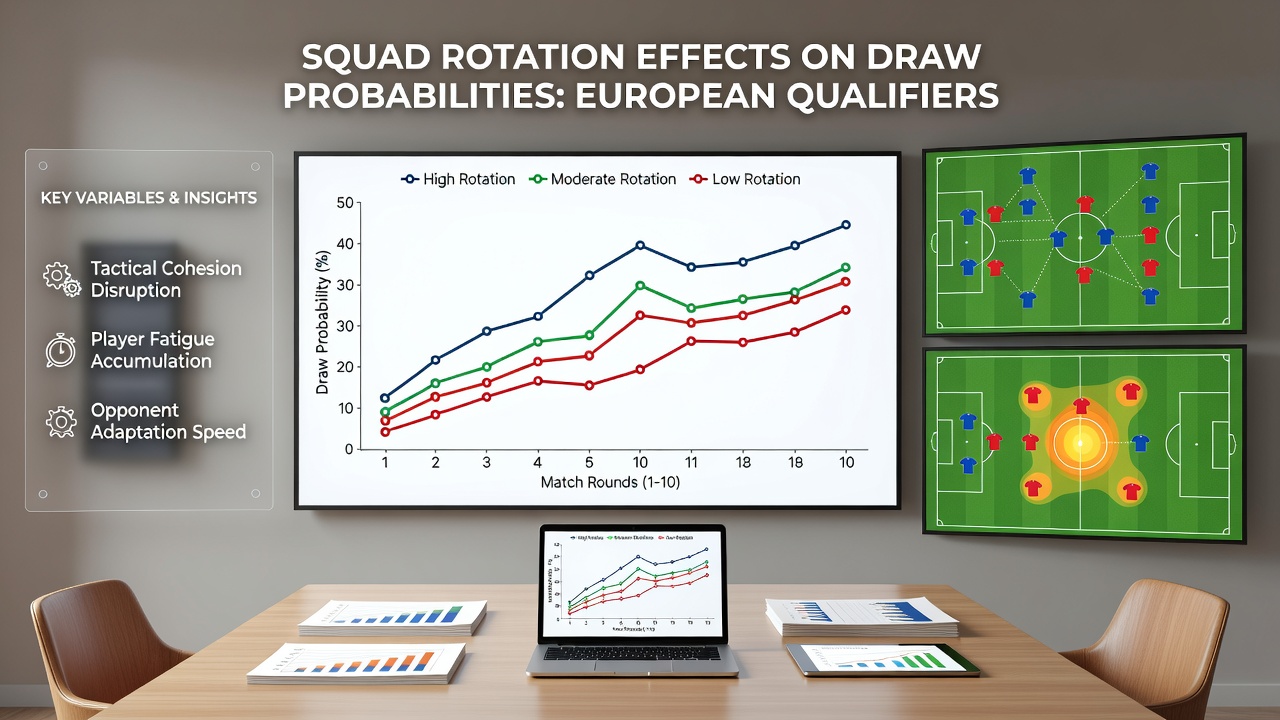
One study conducted by sports performance researchers at a Dutch university examined 120 European qualifier matches and identified a clear threshold: rotations beyond three players in the back four increased clean-sheet rates for both sides by approximately 12 percent. The same analysis revealed that forward line rotations correlated with reduced conversion rates inside the penalty area. These findings align with broader observations from confederation-wide data sets that continue to inform preparation strategies ahead of the 2026 qualification windows extending into late summer.
Comparative Data from Recent Cycles
Historical records from the 2022 World Cup qualifiers provide a useful baseline, where teams averaged 3.2 rotations per match and finished with draw rates around 31 percent. Subsequent cycles show gradual increases in rotation volume, partly driven by expanded club calendars and injury management protocols. European associations with deeper player pools tend to rotate more aggressively, and their results reflect this approach through slightly higher draw frequencies in away fixtures.
Industry reports from organizations such as the UEFA Technical Study Group document these shifts across multiple tournaments, highlighting how squad depth influences tactical flexibility. Meanwhile, academic work published through Canadian sport science networks has cross-referenced similar patterns in CONCACAF qualifiers, confirming that rotation effects transcend regional boundaries when fixture congestion intensifies.
Contextual Factors in August 2026 Scheduling
August 2026 stands out because several European nations will face qualifier matches shortly after domestic seasons conclude, amplifying the temptation to rest players. Recovery data from club medical staffs suggests that athletes returning from summer breaks require additional time to reach peak match fitness, which further encourages rotation. Teams that delay full-strength selections until later windows may therefore encounter more draws in these early fixtures, altering group standings calculations.
Fixture congestion also intersects with player release rules set by FIFA, creating additional variables that coaches must weigh when selecting lineups. Nations with extensive diaspora talent pools sometimes rotate to integrate new call-ups, and this process can temporarily disrupt established patterns of play. The resulting matches often feature cautious approaches from both sides, reinforcing the statistical link between rotation volume and draw outcomes.
Conclusion
Comprehensive reviews of European qualifier data demonstrate that squad rotation exerts a measurable influence on draw probabilities through its effects on team chemistry, defensive coordination, and attacking efficiency. Patterns observed across multiple qualification cycles provide coaches and analysts with evidence-based frameworks for anticipating results when rotation levels rise. As the 2026 cycle progresses, continued monitoring of these variables will support more precise performance projections in an increasingly crowded international calendar.